
STAMPING

EMBOSSING

GLUING

SCREEN PRINTING

DIE-CUTTING

LAMINATION

COUNTER-GLUING

STAMPING
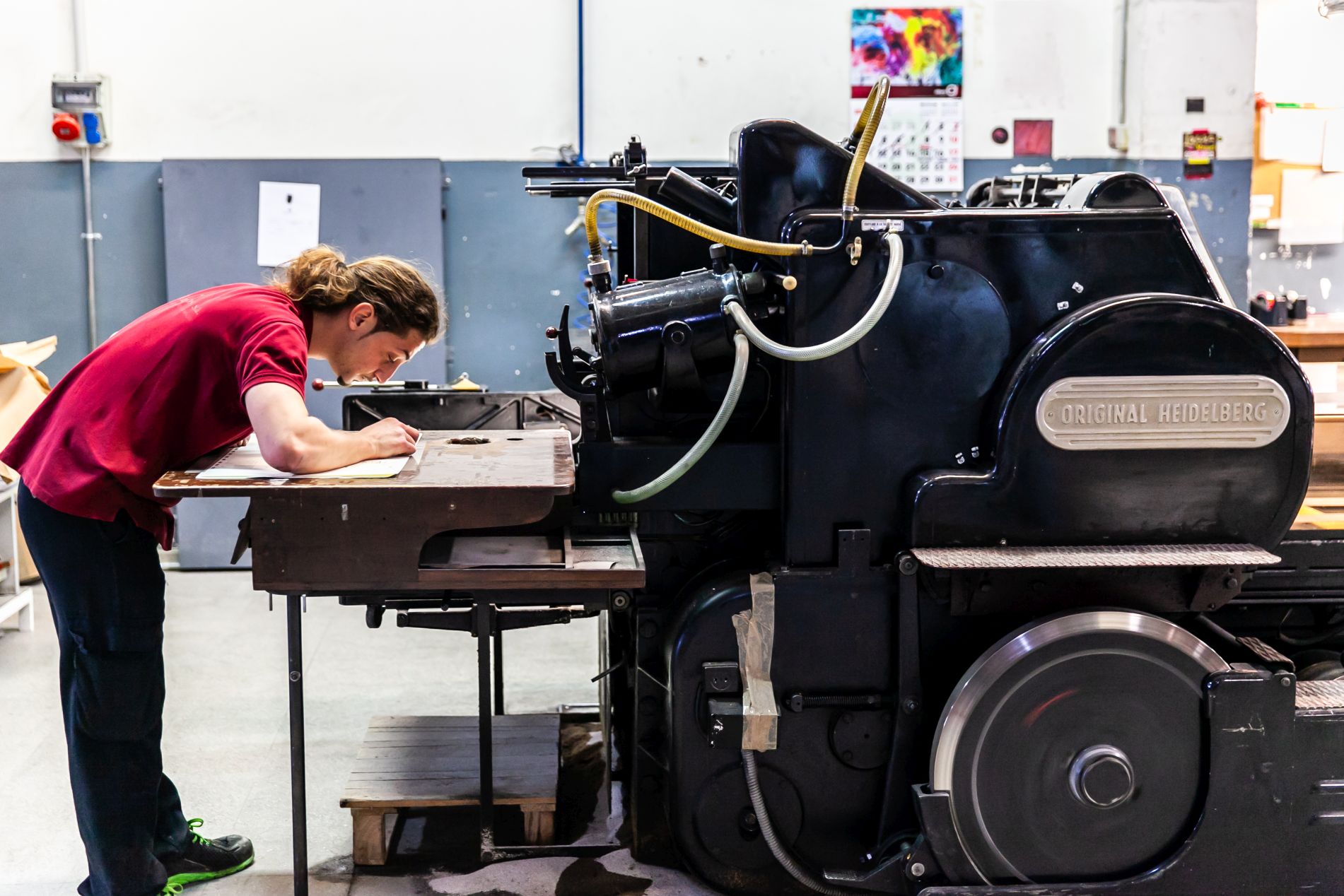
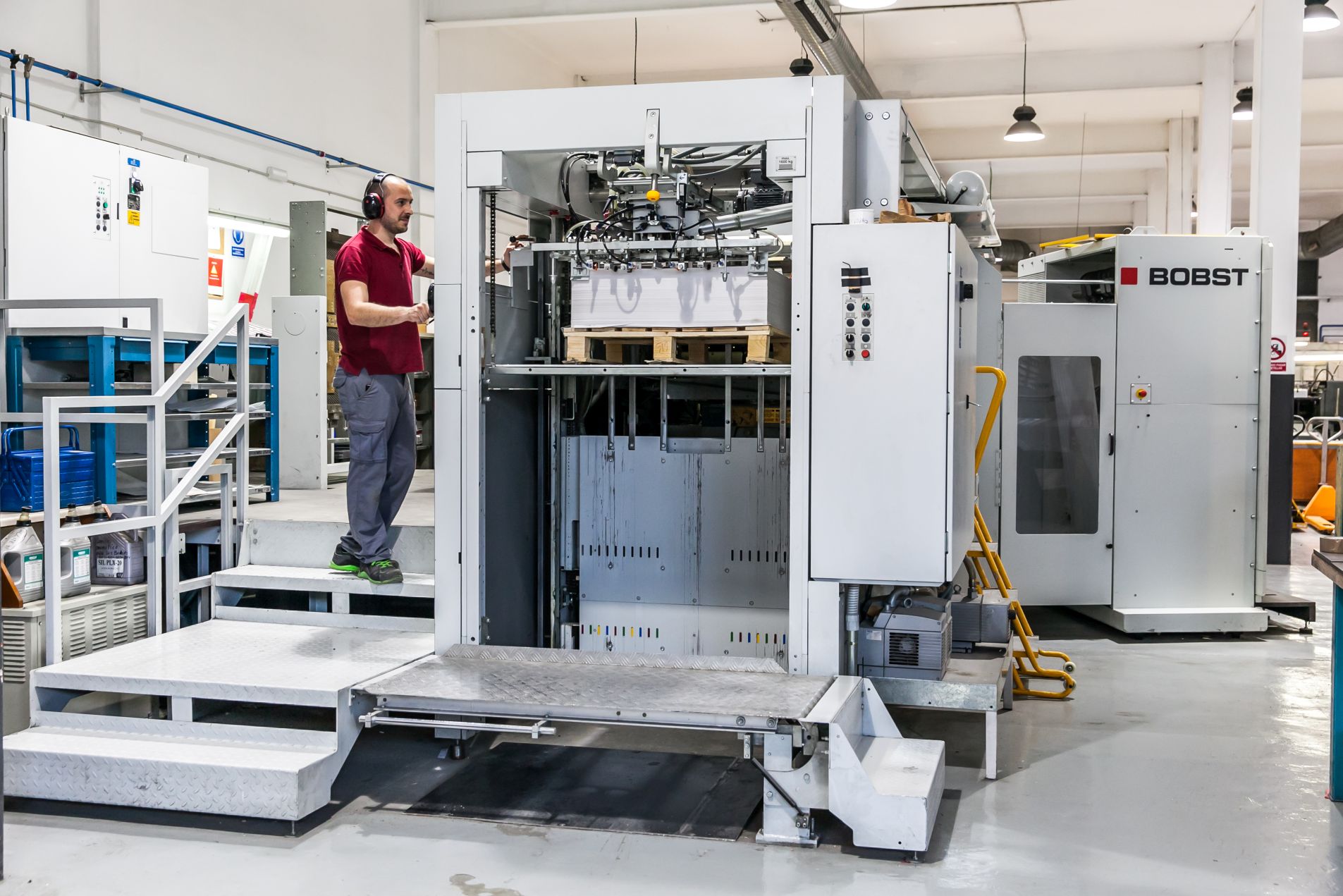
Stamping brings a distinctive and premium touch to any product, creating shiny finishes that catch the light and enhance brand perception. It is the ideal choice for highlighting logos and details with a strong visual impact.
Technically, it consists of transferring a foil onto the substrate using pressure and temperature with a die. It allows metallic, matte, pigmented or holographic finishes to be applied on paper, cardboard or other materials.
EMBOSSING
GLUING
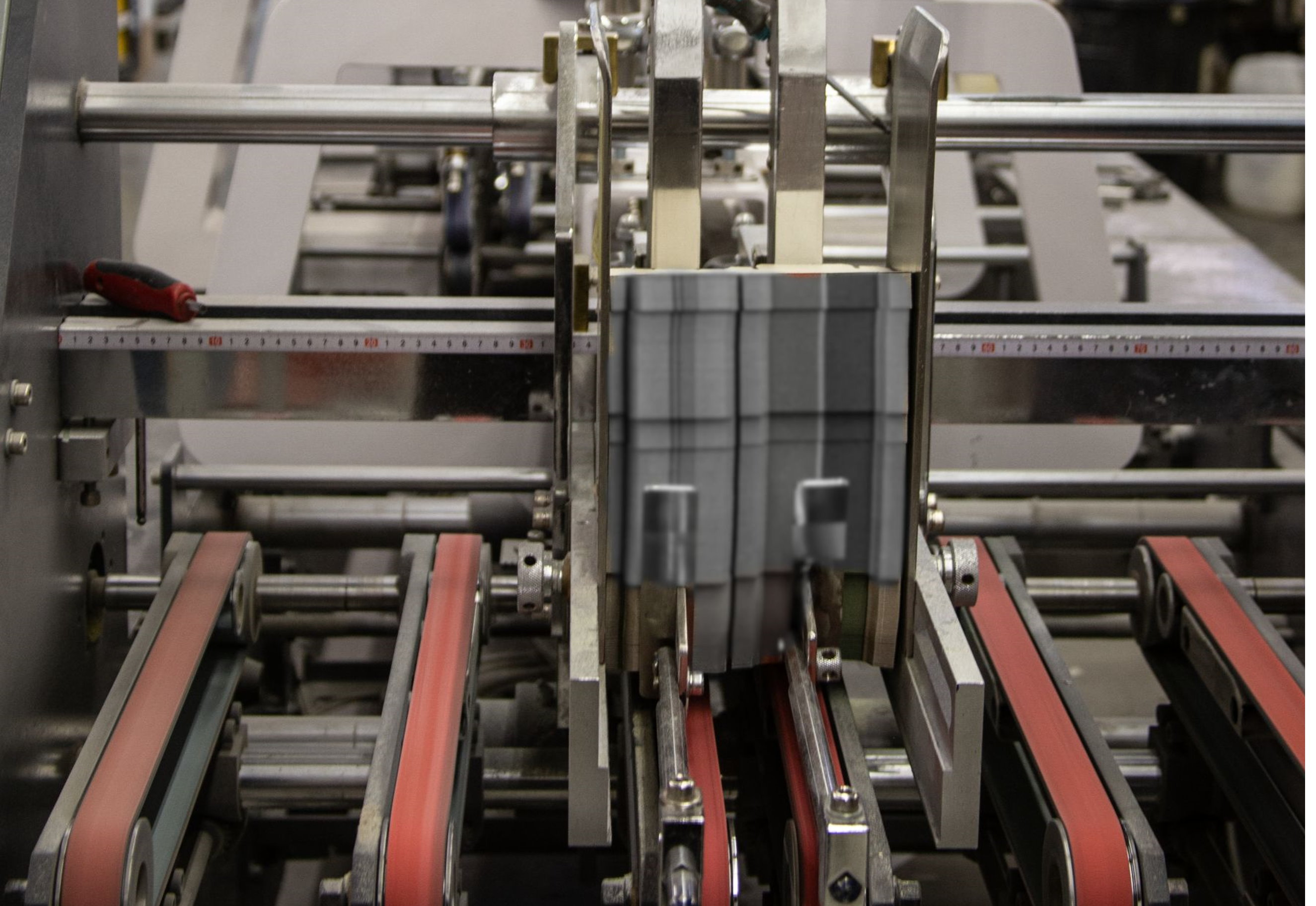
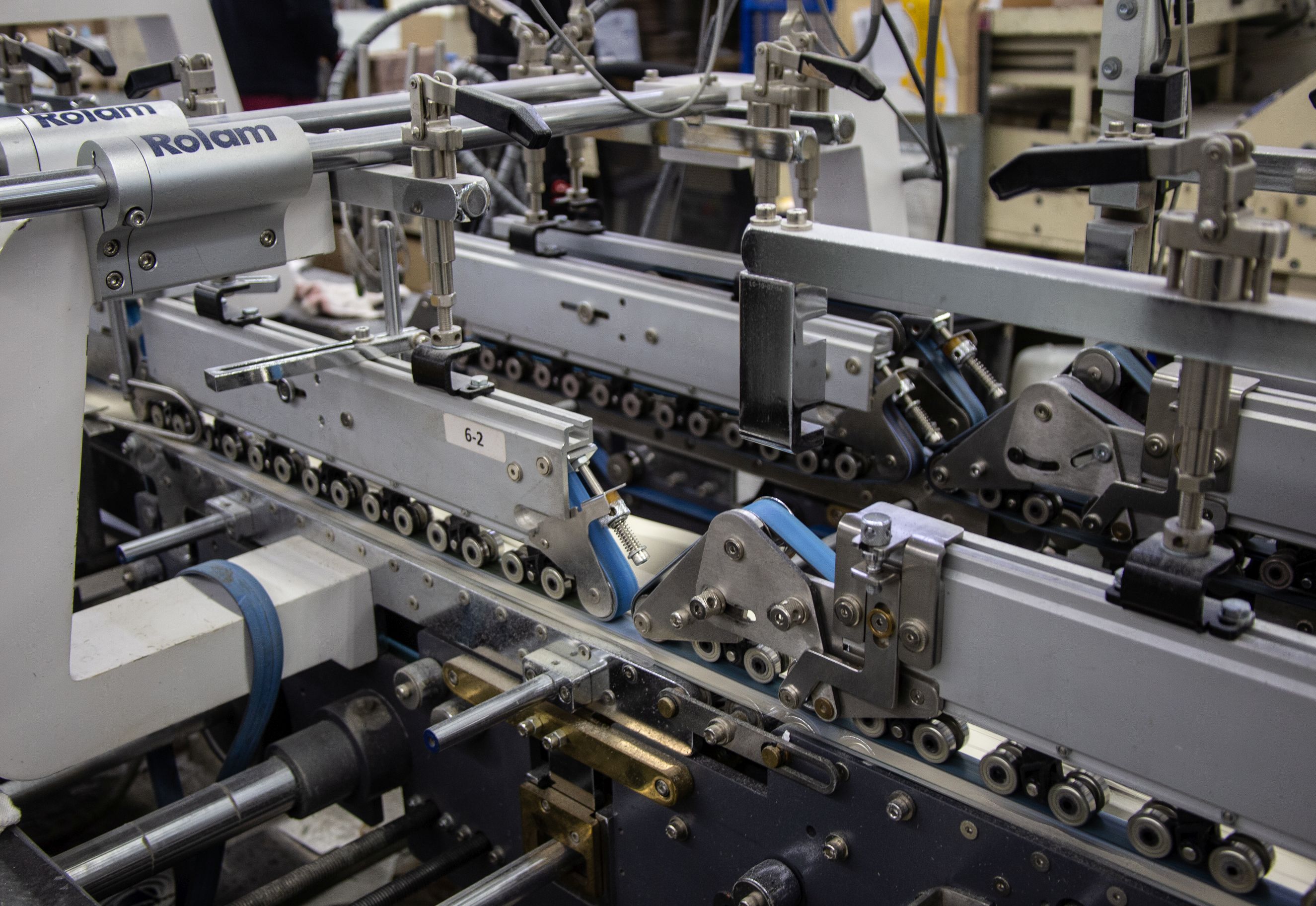
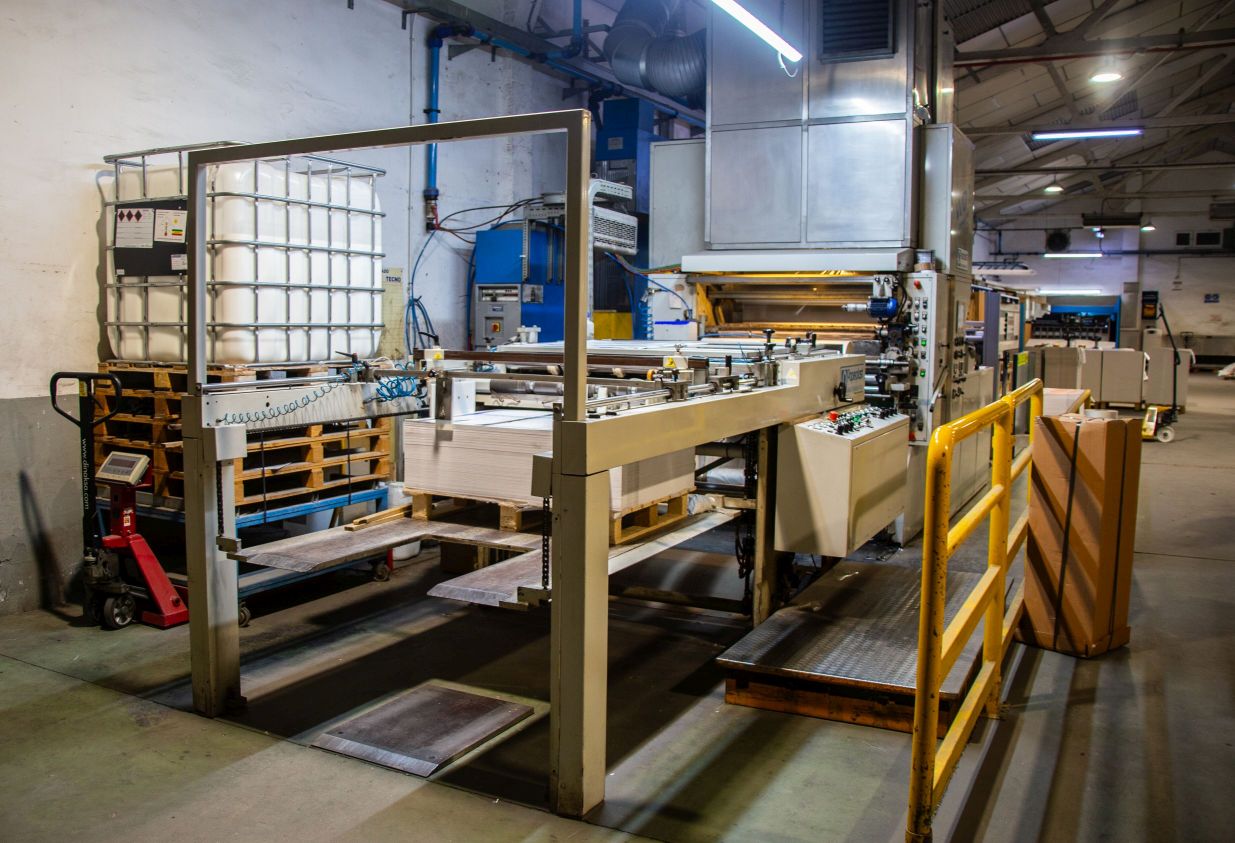
Gluing is key to transforming a design into a functional product, facilitating the assembly and joining of parts with precision and efficiency.
From a technical point of view, it involves the controlled application of adhesives to specific areas of the material. It can be carried out with different types of glue depending on the final use (self-assembly, labelling, package closing, etc.).
SCREEN PRINTING
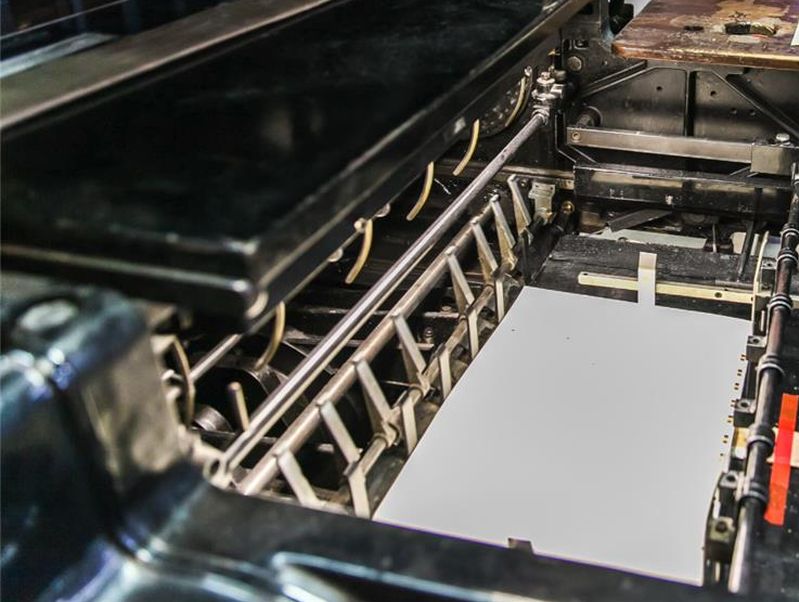
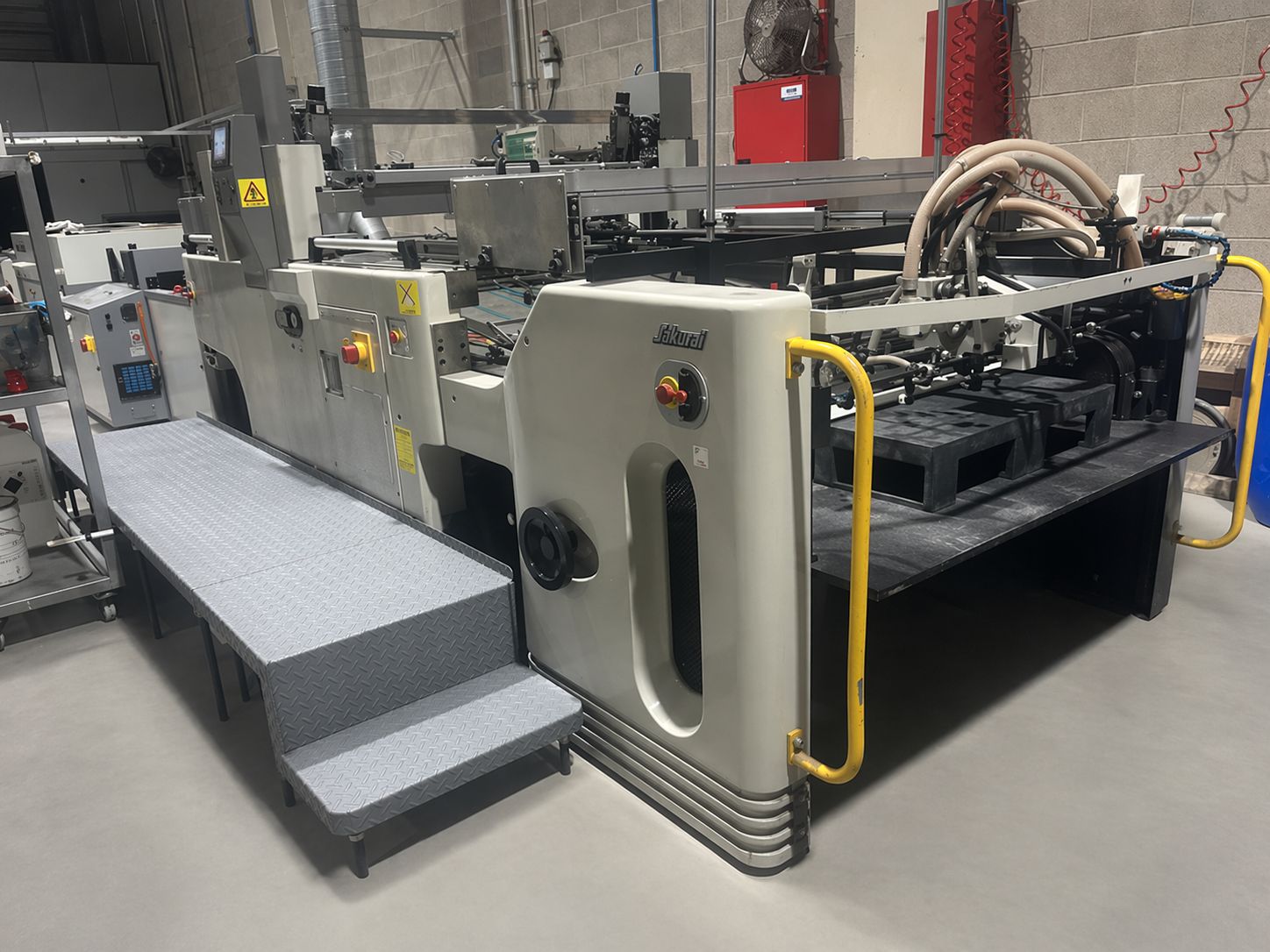
Screen printing makes it possible to achieve intense colours and high-quality finishes, such as adding a distinctive touch through gloss/matte contrast, even on complex surfaces, bringing versatility and personality to every project.
Technically, it consists of the selective transfer of ink or varnish onto a specific area of the sheet, with good register, through a mesh stretched on a frame, blocking certain areas by means of an emulsion. It is especially suitable for medium and large print runs and for printing on a wide range of materials. The major difference between the application of screen-print varnish and conventional or offset varnish is the large amount of varnish that can be applied, leaving a thicker visible layer on the surface of the material.
DIE-CUTTING
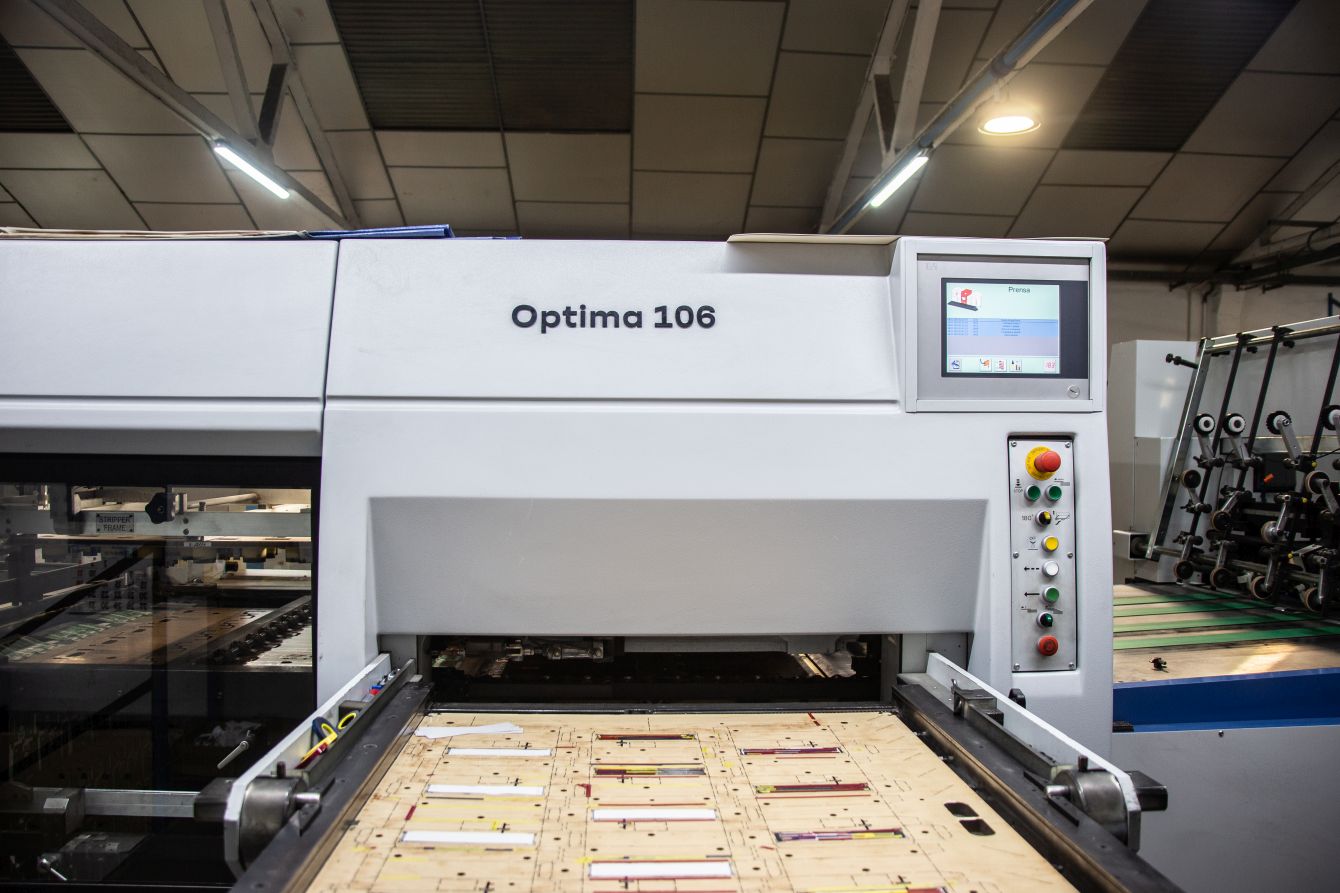
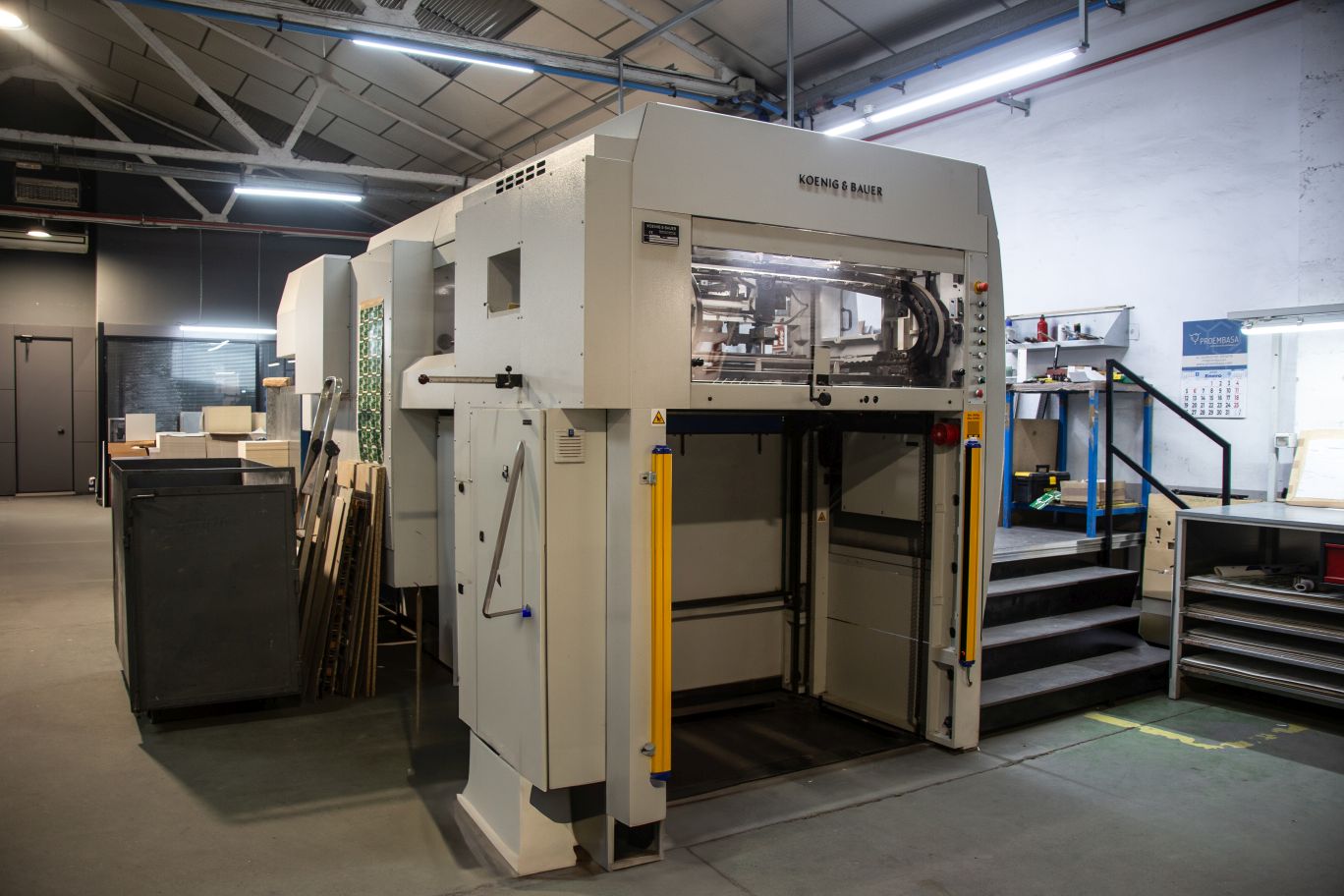
Die-cutting turns any design into a unique piece, making it possible to create customised shapes that perfectly adapt to every packaging or presentation need.
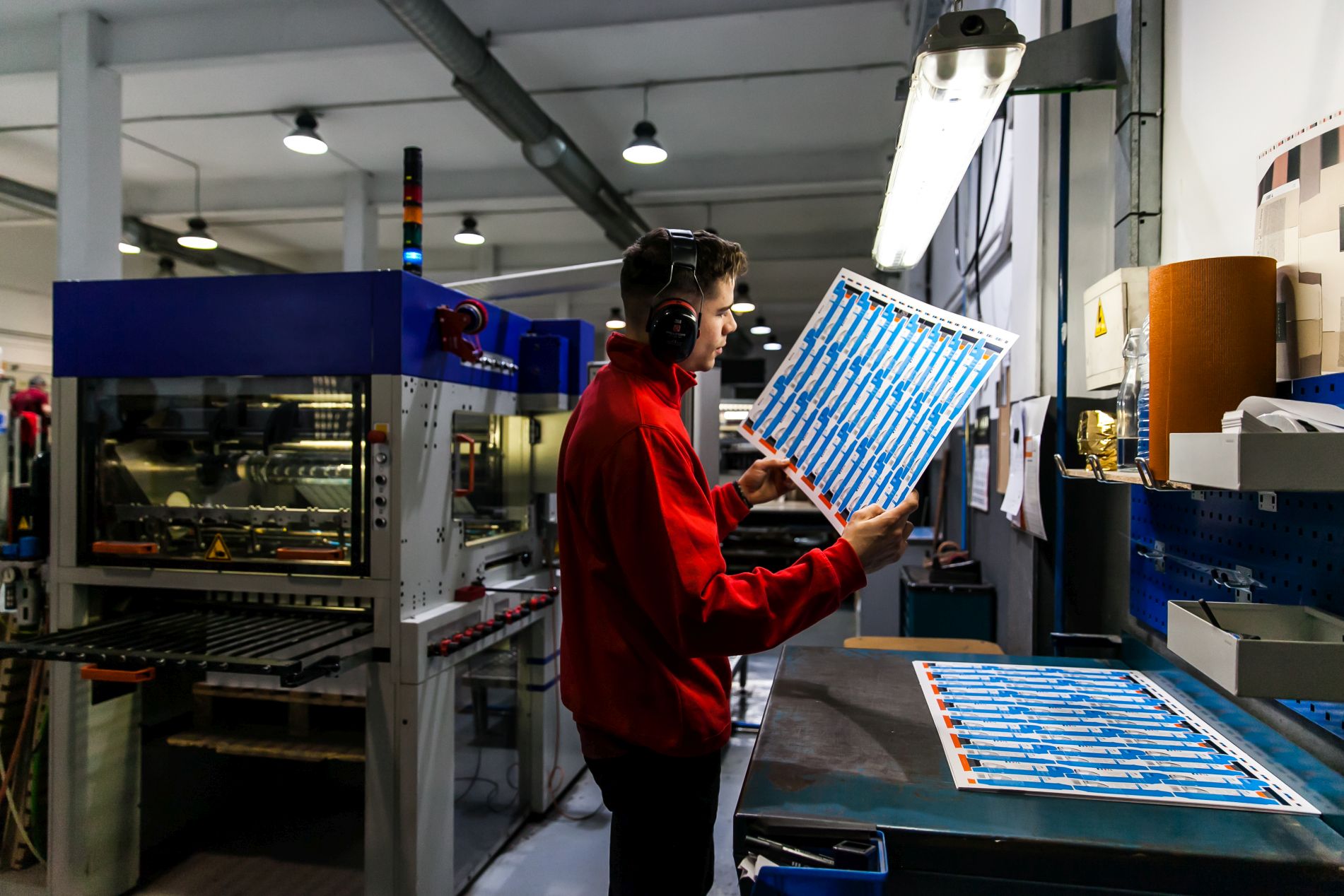
On a technical level, it is based on the use of a die (cutting tool) that, through pressure, cuts and creases the material with great precision. It is essential for the manufacture of packaging, displays and structural elements.
LAMINATION
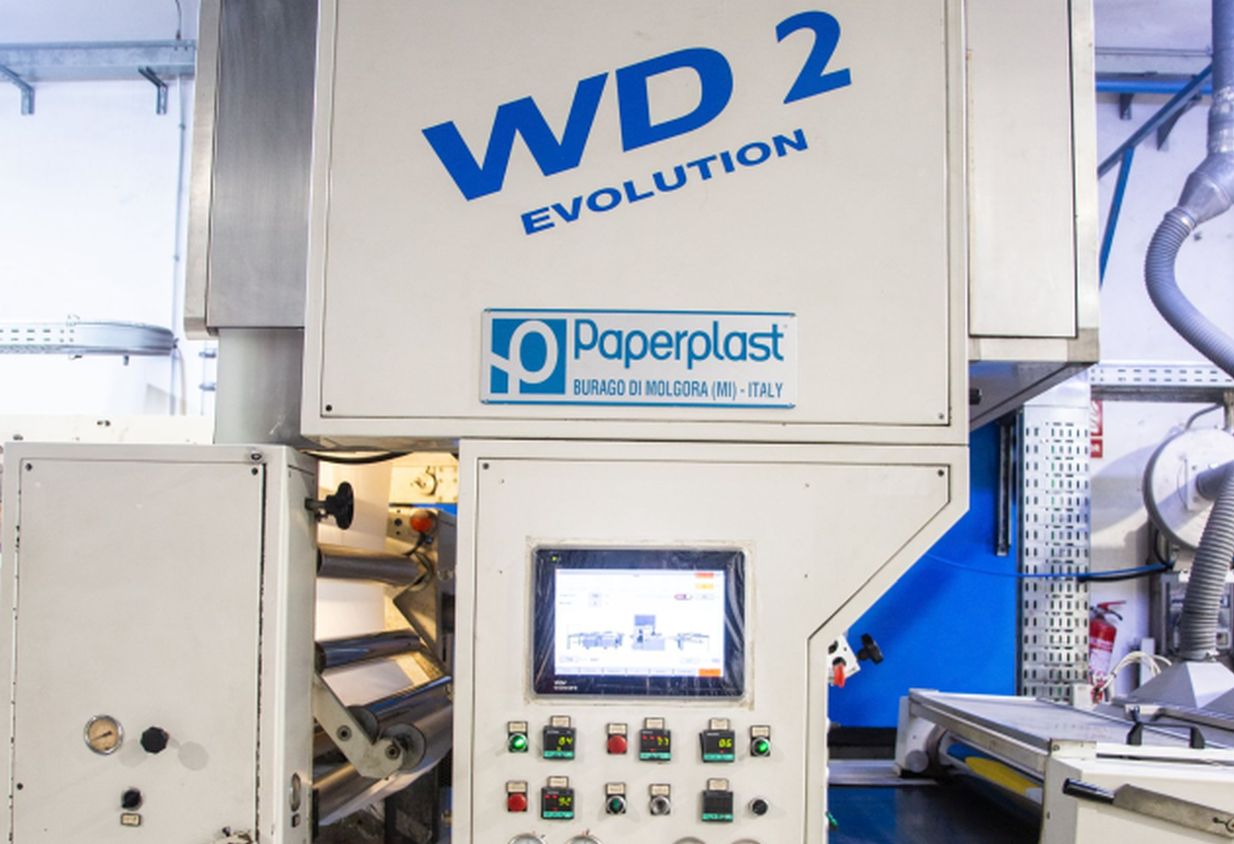
Lamination protects and enhances the final product, improving its durability and providing a distinctive visual and tactile finish.
Technically, it consists of applying a plastic film to the printed substrate by means of heat and pressure. It can be gloss, matte, satin, metallic, anti-scratch or soft touch, and offers resistance to humidity, wear and rubbing.
COUNTER-GLUING
We specialise in all post-print graphic finishing processes, adding value to every project.
We work as a strategic partner for printing companies, offering technical and production solutions that expand their capabilities and guarantee high-quality results.